

Digital Marketing has emerged as the heartbeat of modern business. Whether you’re a local coffee shop owner, a freelance designer, or running a global e-commerce brand, digital marketing isn’t just an option anymore it’s a necessity.
But what exactly is digital marketing?
In simple terms, digital marketing is the use of online platforms, tools, and strategies to promote products, services, or brands. It spans across various channels like social media, search engines, websites, and mobile apps. It’s where creativity meets data, and strategy meets real-time feedback.
Why Digital Marketing Matters
People spend hours every day on their phones, laptops, and tablets. They search for products, compare prices, read reviews, and even make purchases without ever setting foot in a store. Digital marketing meets people where they already are online. This shift in behavior has made traditional forms of marketing, like print ads and billboards, less effective on their own. Businesses now have the opportunity to reach a much larger audience, target specific demographics, and measure results more accurately than ever before. That’s the real power of digital marketing.
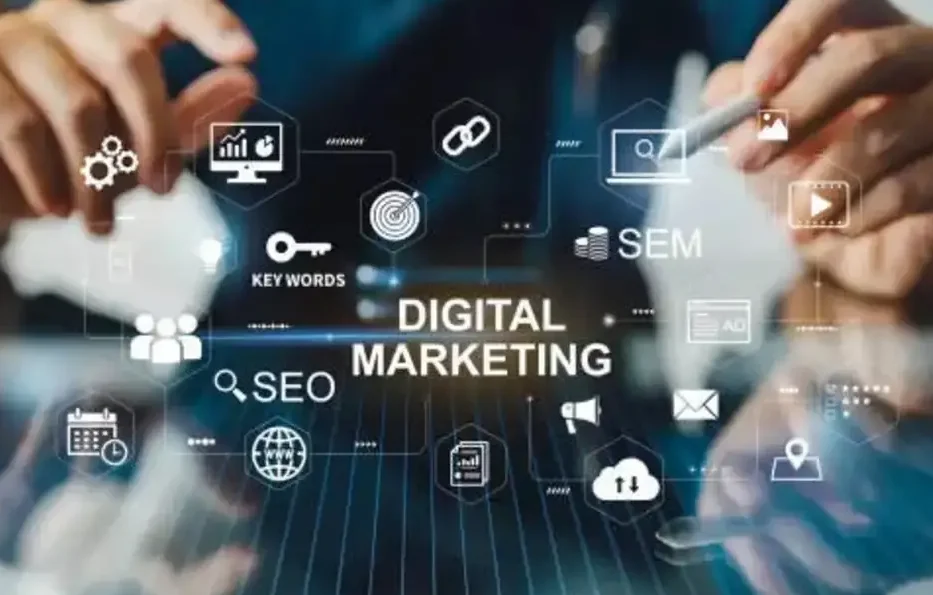
The Core Pillars of Digital Marketing
- Content Marketing: Good content builds trust and keeps people coming back. Blogs, videos, infographics, and podcasts are all forms of content that can help educate, entertain, and engage your audience. The more value you provide through your content, the more likely people are to buy from you.
- Social Media Marketing: Social media platforms like Facebook, Instagram and LinkedIn, allow businesses to connect directly with their audiences. You can share updates, respond to feedback, run promotions, and build a community. Each platform has its own style and strengths, so understanding where your audience spends time is key.
- Search Engine Optimization (SEO): SEO is all about helping your website rank higher on search engines like Google. When someone types in “best pizza near me,” you want your pizza place to show up at the top of that list. SEO involves optimizing your website content, structure, and performance so that search engines understand what you offer and recommend you to users.
Challenges and Considerations
Of course, digital marketing isn’t without its challenges. The online world moves quickly. Algorithms change, trends come and go, and audiences can be unpredictable. What worked last year or even last month might not work now. That’s why flexibility and a willingness to experiment are essential.
Another key consideration is authenticity. Today’s audiences are smart. They can spot a generic ad or a scripted video from a mile away. Being honest, transparent, and human goes a long way.
Getting Started
You don’t need a huge budget or a marketing degree to start with digital marketing. Begin by identifying your audience, understanding where they spend time online, and choosing one or two platforms to focus on. Create valuable content, test different strategies, and most importantly stay consistent. Success won’t happen overnight, but with time and effort, you’ll see growth.
There are also countless free tools and resources online to help you learn. From YouTube tutorials to blogs and courses, the digital marketing world is full of communities eager to share knowledge.
conclusion
Digital marketing isn’t just a trend it’s how business is done today. The tools and platforms may change, but the goal remains the same connect with people, build relationships, and grow your brand.